Digital Wallets · Payment Processing · Buyer guide
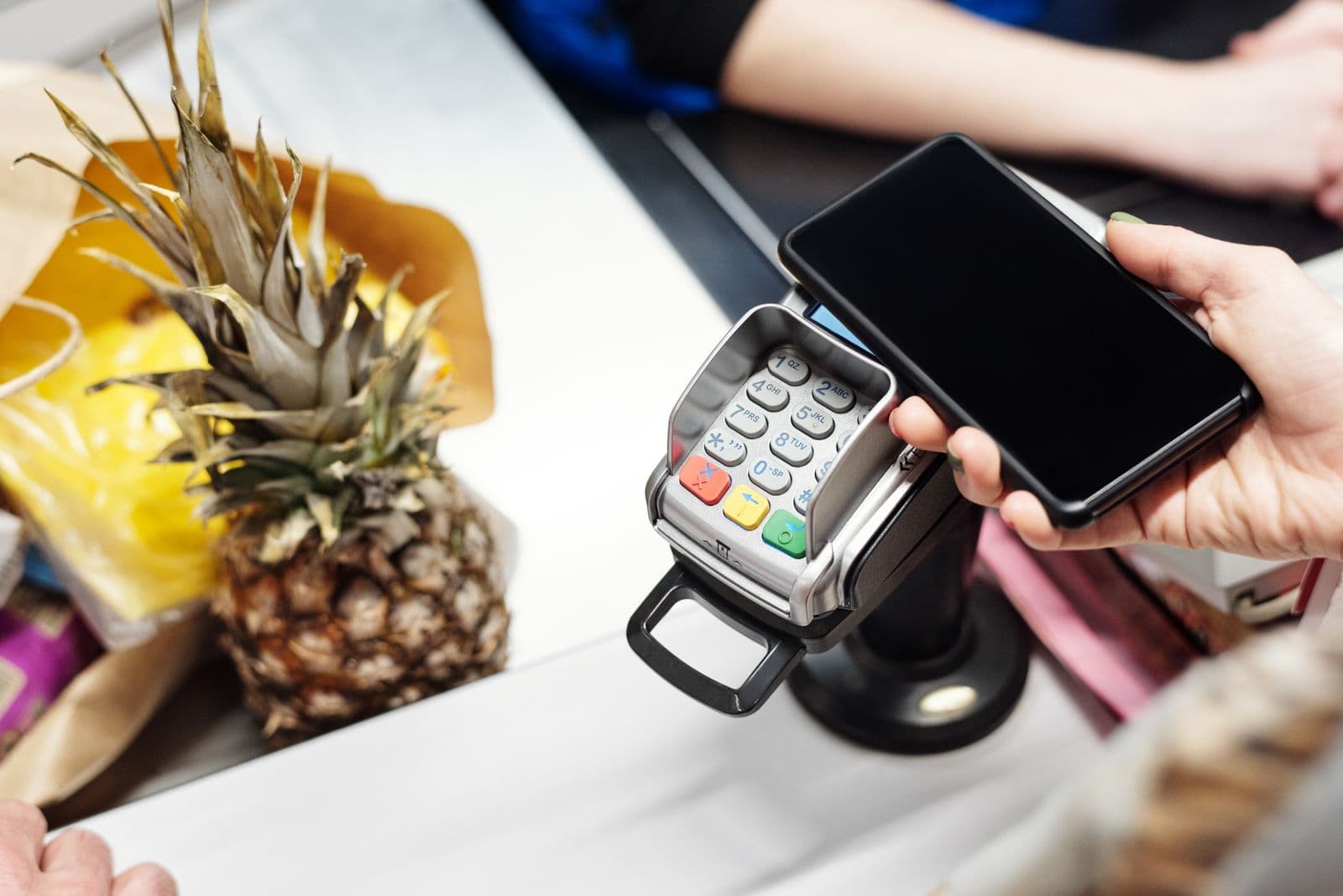
A checkout page in 2026 can carry half a dozen wallet buttons: Apple Pay, Google Pay, PayPal, Venmo, Amazon Pay, Shop Pay or Stripe's Link. To a customer they all do the same job, which is to skip typing a card number. To the business paying for them they are two different products with two different price lists, and the gap on an ordinary order is about half a percentage point.
This guide sets out what each wallet costs a US merchant, read from the providers' own pricing pages on 9 October 2026, puts the published rates on one basis, and explains why some wallets cost exactly what a card does and others carry their own fee. Rates are for domestic US transactions; international cards and currency conversion add more at every provider.
The first kind holds a copy of the customer's card. Apple Pay, Google Pay, Stripe's Link and Shop Pay pass a card payment to your processor, usually as a token in place of the card number, and your processor charges you its ordinary card rate. The wallet's owner is not a party to your merchant agreement and sends you no bill. Apple does charge for Apple Pay, but it charges the bank that issued the card: the US Justice Department's antitrust complaint against Apple, filed in March 2024, says Apple takes 0.15% of each credit card transaction made with Apple Pay from the issuer.
The second kind is a payment service in its own right. When a customer pays with PayPal or Venmo, the money moves inside PayPal's system, which may draw on a balance, a bank account or a card, and PayPal sets the price to the merchant. Amazon Pay works the same way with Amazon's own price list. These wallets are priced as products, and in PayPal's case the product costs more than a card.
At the processors that publish their prices:
Putting the published rates on one basis, a $60 domestic online order costs:
So a customer who clicks the PayPal button instead of Apple Pay costs a Stripe merchant who also offers PayPal about 54 cents more on that order, roughly a quarter more in fees. The fixed fee widens the gap on small orders: on a $15 order PayPal Checkout costs $1.01 against 74 cents for a card at 2.9% + 30 cents. On a large order the percentage dominates and the gap is a little under six tenths of a point.
Pay Later belongs with the other instalment products. Our guide to buy now, pay later fees sets out what Klarna, Affirm and Afterpay charge on the same basis.
At a till, Apple Pay and Google Pay are contactless card payments, charged at the processor's tap rate: 2.6% + 15 cents on Square's free plan, for example. Venmo is different: a customer paying a business profile from the Venmo app costs the business 1.9% + 10 cents, as our Venmo review sets out, and PayPal charges 2.29% + 9 cents for QR code payments at its point of sale. Those are lower than PayPal's online wallet rate, and they carry the trade-offs described in our comparison of Venmo, Cash App, PayPal and Zelle for business payments.
A wallet that passes a card through is a card payment when it goes wrong. The customer disputes it with their bank, the card network's chargeback rules apply, and your processor's dispute fee is the one you pay: $15 per dispute at Stripe, $15 at Shopify Payments in the US, returned with the disputed amount if you win, and a $15 chargeback fee at Braintree.
A PayPal or Venmo payment is disputed inside PayPal first. PayPal's fee page lists a $15 standard dispute fee on transactions made through a buyer's PayPal account or a PayPal checkout, rising to $30 for merchants with a high volume of disputes, and a $20 chargeback fee on card transactions processed outside a buyer's PayPal account or guest checkout. On Shopify, the PayPal wallet's disputes are handled in the Shopify admin, and Shopify's help centre says decisions cannot be appealed. Amazon Pay charges $20 plus tax only when you ask Amazon to contest a chargeback that its payment protection policy does not cover. Our comparison of chargeback and dispute fees covers the rest.
Every wallet provider says its button sells more. Shopify says Shop Pay converts as much as 50% better than guest checkout, citing an external study completed with a large consulting firm in April 2023; Stripe says Link reaches over 300 million consumers. Those are the providers' own claims, and none publishes a conversion figure a merchant could check. The only test that settles it is your own: your payment reports usually show which method each order used, and a few weeks of that tells you whether PayPal customers are customers you would lose without it.
Three practical points follow from the price lists: