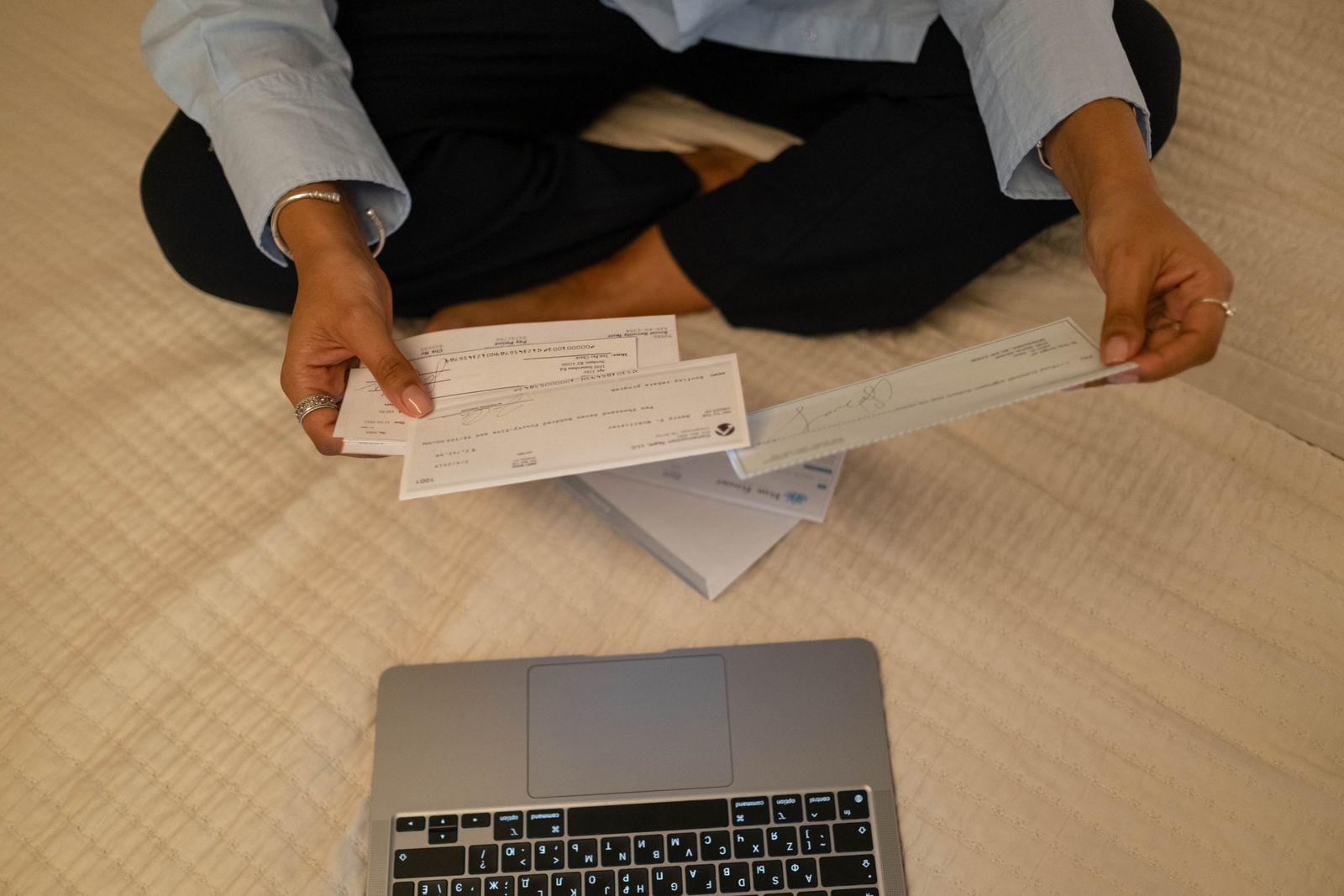
Payment Processing · Industry
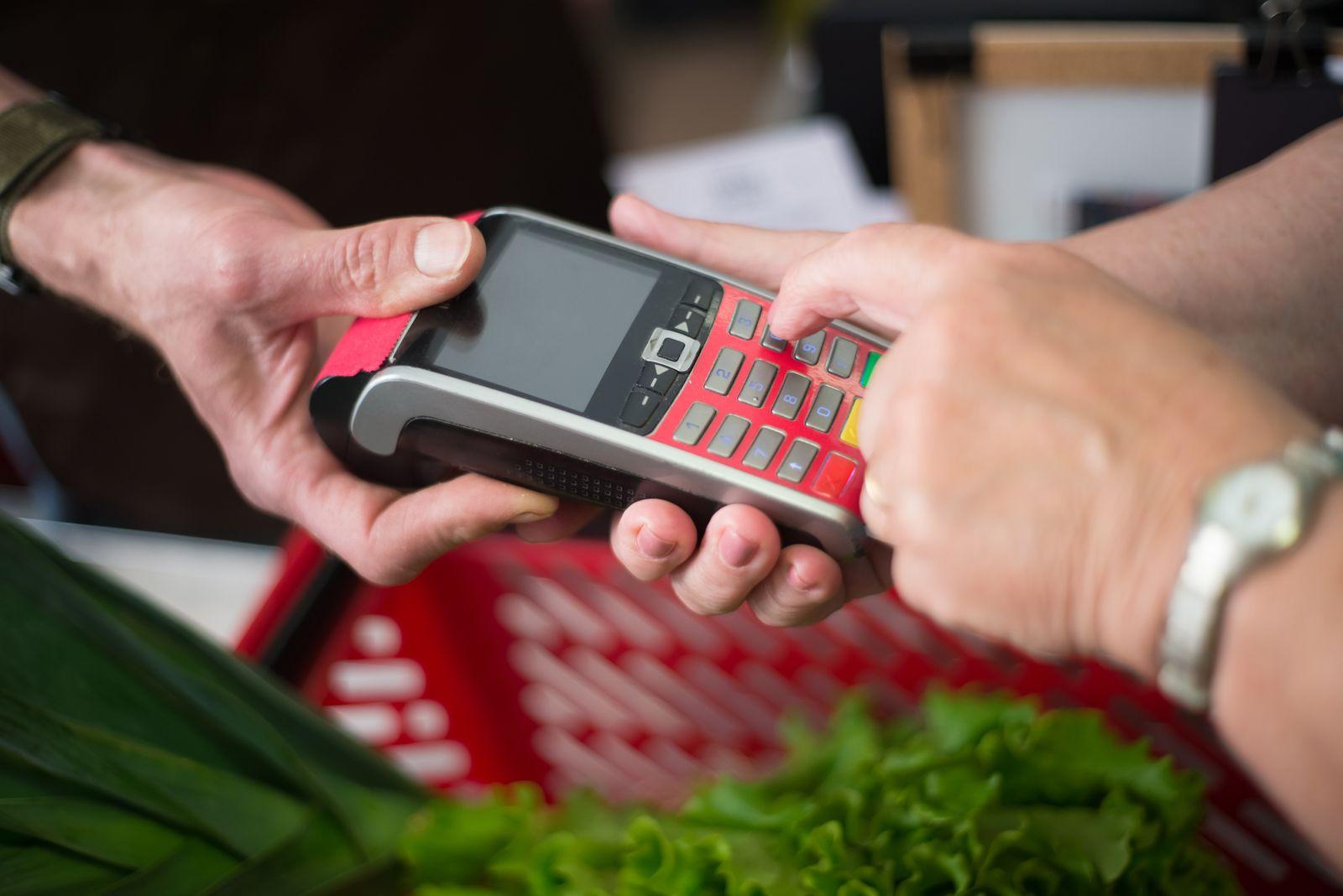
SNAP, the federal food assistance program, is paid on an EBT card that works much like a PIN debit card. For a grocery store, convenience store or farm stand, it can be a large share of sales, and it is unusually cheap to take: federal law says no interchange applies to EBT transactions. What you actually pay depends on the processor, and the gap between the cheapest and the most expensive way to take the same $40 SNAP sale is wide.
2026 also brought new work at the till. Nineteen states now have, or are about to have, USDA waivers barring SNAP from paying for soda, candy or both, and a store that sells a restricted item on SNAP after the grace period risks losing its authorization. This guide covers what accepting SNAP costs as of November 2026, the equipment rules, which POS systems the site has reviewed can take it, and what the new restrictions ask of your system. The agency that runs SNAP for retailers is USDA's Food and Nutrition Administration (FNA), formerly the Food and Nutrition Service.
On a card payment, most of what a merchant pays is interchange, the fee that goes to the bank that issued the card. EBT has none. The Food and Nutrition Act (7 U.S.C. 2016(h)(13)(A)) says plainly that no interchange fees shall apply to EBT transactions. What is left is the processor's charge for running the payment and, if you rent it, the terminal.
USDA's own guide to choosing an EBT processor says EBT should therefore be much lower in cost than credit or debit, and gives an example of tiered per-transaction pricing: 15 cents each for the first 100 transactions in a month, 13 cents for the next 400 and 10 cents above 500. The same guide says EBT-only terminals do not need PCI or EMV compliance, and that a PCI compliance fee should not be charged on an EBT-only terminal. It tells retailers not to believe a terminal provider that says otherwise.
Few processors publish an EBT price. Those that do, as of November 2026:
On a $40 SNAP sale, those prices work out to about 10 to 15 cents in USDA's example, 77 cents at Square's 1.8% + 5¢, and $1.70 at Forage's standard 3.5% + $0.30. On $10,000 a month of SNAP sales in $40 baskets, that is 250 transactions: roughly $35 a month at USDA's example tiers, $193 at Square and $425 at Forage's standard rate. A percentage price on a payment that carries no interchange is worth questioning, especially once SNAP becomes a large share of your takings. Ask for a per-transaction price instead.
The usual ways of recovering card costs do not apply. Federal rules (7 CFR 278.2(b)) require SNAP benefits to be accepted for eligible food at the same prices and on the same terms as cash, and say no store may single out SNAP customers for special treatment in any way. USDA's retailer notice adds:
A cash price is different. SpotOn, for example, applies any configured cash discount to EBT payments automatically, which keeps SNAP customers on the cash price. If you run a dual-pricing program, our guide to cash discount and dual pricing programs explains how they are meant to work.
The default is that you pay. The statute requires stores to cover 100% of the cost of EBT point-of-sale equipment and related services, and USDA says retailers authorized after 21 March 2014 must buy their own. The exceptions are farmers markets, direct-marketing farmers, military commissaries, nonprofit food co-ops and certain group-living and meal programs, which may still qualify for free equipment. USDA says states are required to provide free, EBT-only equipment to direct-marketing farmers and farmers markets in that group.
For those sellers the main route is MarketLink, now run by the Farmers Food Assistance Bureau. It offers free Bluetooth equipment, at least a year of the TotilPay Go app at no charge, and no transaction fees for processing SNAP. TotilPay's published price after the free period is $24.95 a month for eligible farmers markets and farmers, against $37.95 for others.
If you already take cards, the cheapest step is often to ask your current processor to switch on EBT on the terminal you have, using the FNA number on your SNAP permit. Most mainstream systems treat it as an add-on you request rather than a default.
Support varies more than most merchants expect, and it matters as much for item tagging as for the payment itself:
In 2025 USDA began approving state waivers that remove certain foods from what SNAP can buy, for an initial two years. Its list, as of November 2026, shows these in force:
Still to come: Nebraska on 1 December 2026 (soda, soft drinks and energy drinks, with candy added on 1 March 2027), Wyoming on 1 February 2027, Kansas and Missouri on 15 February 2027, Hawaii and Ohio on 1 April 2027, and Nevada on 1 February 2028. Four more approvals, for Colorado, Iowa, Tennessee and West Virginia, were vacated by the federal district court in Washington on 22 June 2026, and USDA's list says those waivers may not proceed.
Each state defines its restricted items differently, so a can of sparkling juice can be allowed in one state and blocked in the next. USDA's compliance memo of 30 December 2025 says stores must update their POS equipment and train staff. Every walk-in store in a waiver state must comply; for online orders filled from a warehouse, the rule that applies follows the state that issued the customer's card.
Enforcement is staged. Existing stores get a one-time 90-day grace period from each state's start date. After that, a first violation found by USDA's investigators brings a warning letter, and a second, at least 30 days later, brings involuntary withdrawal from SNAP. You can reapply, but you are out until you do. In practice, a store in a waiver state needs a POS that can flag items per state, or staff who check every SNAP basket by hand.
Applying costs nothing. USDA says the online application can take as little as 15 minutes. The binding test is stock: under a final rule effective 7 July 2026, stores must carry at least seven varieties in each of four staple categories (dairy, grains, protein, and fruits or vegetables), three stocking units of each, with perishables in at least three categories. Retailers had until 4 November 2026 to comply, and USDA added a 90-day extension from 13 November 2026.
Online sales need a second approval. You must already be SNAP-authorized, apply to USDA's online program, and integrate with an approved processor; USDA currently names Fiserv, Worldpay and Forage. Customers enter their PIN online, the checkout must split SNAP-eligible items from the rest, and delivery or service fees cannot be paid with SNAP.
Chip cards are next. Eight states, including California, Massachusetts and Michigan, already issue SNAP EBT chip cards, and USDA tells retailers to work with their POS provider to make sure the chip is recognised. A proposed USDA rule published on 23 October 2026 would require every state to issue chip cards, with the magnetic stripe kept as a fallback. If your terminal is old enough to read only the stripe, now is the time to ask your processor about it.