High-risk · Industry
On 12 November 2025 the bill that ended the government shutdown, Public Law 119-37, also rewrote the federal definition of hemp. Section 781 of its agriculture division gave the hemp-derived THC industry 365 days, until 12 November 2026. Then, on 2 September 2026, the stopgap funding law that followed, Public Law 119-103, pushed most of the change back to 11 December 2026. One part took effect on 12 November anyway. The rest arrives in three weeks unless Congress acts again.
For a business that sells hemp, CBD or THC products, the question this site gets is not about agriculture law. It is whether the merchant account survives. Card processing for these products was already a high-risk category with reserves, long contracts and a short list of willing providers. From 11 December, a large share of what those merchants sell stops being hemp under federal law, and the card networks' rules start from what is legal.
Section 781 keeps the familiar test that hemp is cannabis with no more than 0.3% THC on a dry weight basis, but measures it as total THC, including THCA, rather than delta-9 alone. It then excludes from the definition any final consumer product that contains one of three things:
A container is the innermost packaging in direct contact with the product: the jar, bottle, can, packet or cartridge. Industrial hemp grown for fibre, grain or seed oil falls outside the product limits, which apply to hemp-derived cannabinoid products; the total-THC test applies to all hemp. Intermediate products are capped at 0.3% and lose hemp status altogether if they are sold directly to consumers.
The September law, Public Law 119-103, says that until 11 December 2026 the amendments apply only to the first category: cannabinoids the plant cannot produce. Everything else, including the total-THC test and the 0.4 milligram cap, applies from 11 December. Some coverage has described converted cannabinoids such as delta-8 made from CBD as already banned since 12 November. The statute's text puts cannabinoids that occur naturally but were made outside the plant in the second category, which is deferred to December, so whether a given converted product fell on 12 November depends on whether the plant can produce that cannabinoid. If you sell one, get a written opinion from a lawyer rather than relying on a headline.
The Food and Drug Administration was required to publish, within 90 days, lists of the cannabinoids the plant can naturally produce and those with similar effects to THC. The Congressional Research Service reported on 28 September 2026 that the list had not been published, and we found none as of 20 November. That leaves the third category's 'similar effects' cannabinoids undefined.
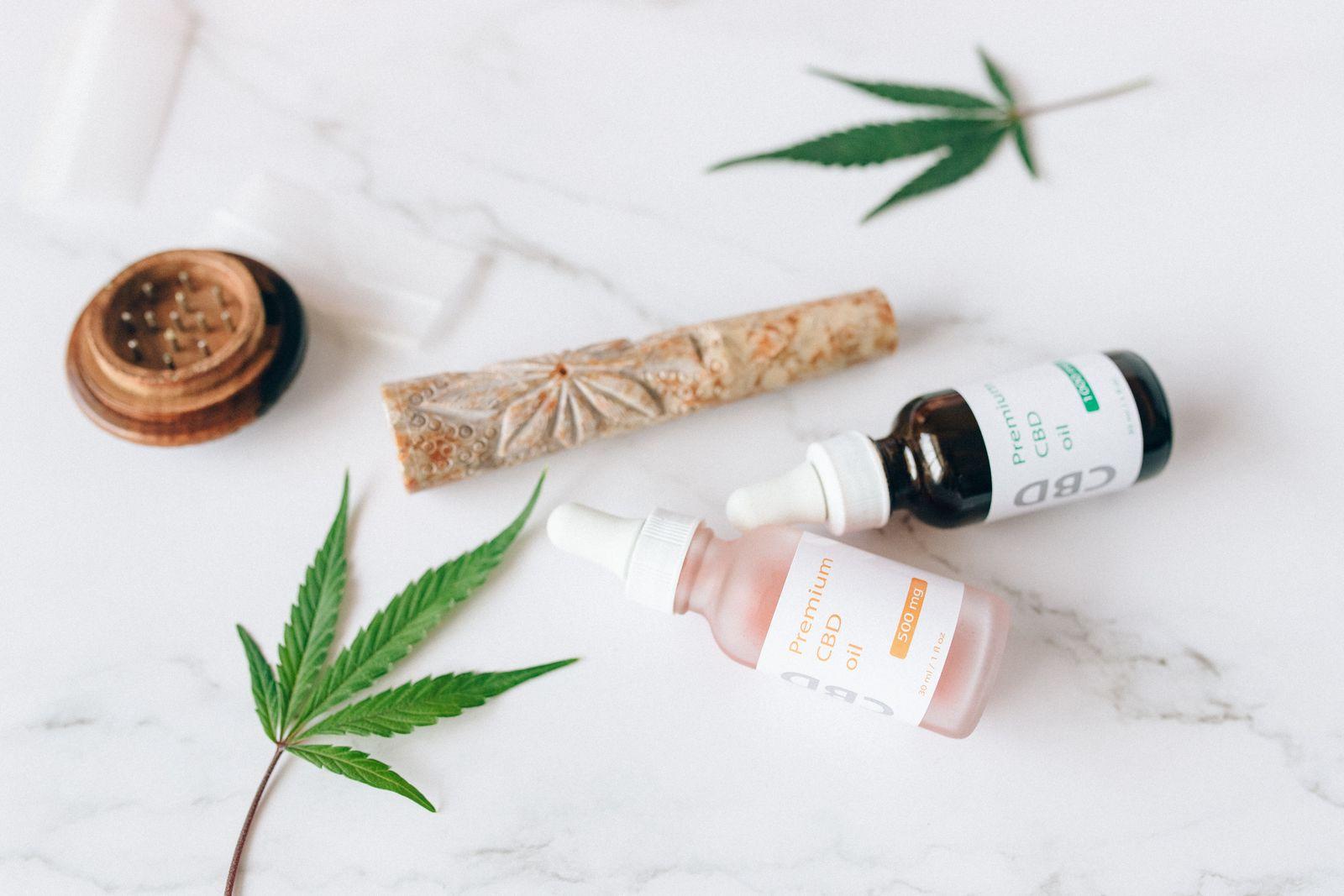
The 0.4 milligram cap is per container, not per serving, and it is small. A 30-millilitre bottle of oil at the old 0.3% limit can hold tens of milligrams of THC. An executive order of 18 December 2025, published in the Federal Register, says plainly that some full-spectrum CBD products 'will once again be controlled as marijuana' when section 781 takes effect, because of their THC content per container. The order asks for work with Congress to keep appropriate full-spectrum CBD products available, but it does not change the law. Broad-spectrum and isolate products with no measurable THC are in a different position; a product's certificate of analysis, read per container, is the document that decides which side it falls on.
Visa's public Core Rules, in the edition dated 24 October 2026, say a transaction 'must be legal in both the Cardholder's jurisdiction and the Merchant Outlet's jurisdiction', and that an acquirer must not knowingly accept a transaction that is illegal or that it or the merchant should have known was illegal. Every merchant agreement must give Visa the right to limit or terminate the merchant. None of that names hemp, and it did not need to: once a product stops being hemp, it is a federally controlled substance, and that is what an acquirer has to weigh against Visa's rule, whatever a state allows.
Durango Merchant Services, a high-risk specialist this site reviews, publishes a summary of Visa's Integrity Risk Program that lists hemp-derived THC among 'emerging-legality' high-integrity-risk categories, and says that on a violation the acquiring bank must either cure the breach or terminate the merchant. A merchant terminated for illegal transactions can be listed on Mastercard's MATCH list under reason code 13, 'Illegal Transactions', or on Visa's own terminated-merchant file. A MATCH listing stays active for five years, and acquirers screen applicants against it.
The high-risk specialists that underwrite CBD have mostly said nothing public. We checked the CBD pages of Easy Pay Direct, Host Merchant Services and High Risk Pay on 20 November and none mentions the redefinition. That does not mean their acquiring banks will not act. LegitScript, which monitors merchants for many payment companies, advised payments companies in a public post on 5 January 2026 to identify merchants in their portfolios offering intoxicating hemp products, and to expect enforcement 'if and when the law goes into effect'.
Several bills would change the outcome. The Hemp Planting Predictability Act, introduced in both chambers as H.R. 7024 and S. 3686, would replace the 365 days with three years, moving the date to November 2028. Others would regulate hemp beverages separately, set a federal framework, or repeal section 781. In a status note dated 17 November 2026, Hemp Law Group, a law firm tracking the bills, reported that all of them sat in committee with no vote scheduled, and quoted Representative James Comer's view that the next stopgap funding bill is the most likely place for any hemp language. That timing is not a coincidence: the September law funds the government only until 11 December, the same day the hemp change takes effect. Do not plan on a rescue; plan for the date, and treat a delay as a bonus.
For a business whose catalogue passes the new test — isolate and broad-spectrum CBD, topicals, fibre and seed products — the processors that already underwrite CBD remain the place to look, and our CBD merchant account guide covers them. Expect more questions at application, and expect reserves to stay where they are while the FDA's lists are still missing. This piece reflects the law and the providers' pages as of 20 November 2026, and we will update it if Congress changes the date.